
The term "Chain Link Wind Screen" sounds very technical, but it is essentially a combined solution consisting of a chain link fence (diamond mesh) as the structural skeleton and a windbreak mesh as the core functional layer. This design is mainly used in places with special requirements for wind and dust control, such as sports stadiums, mining areas, and construction sites.
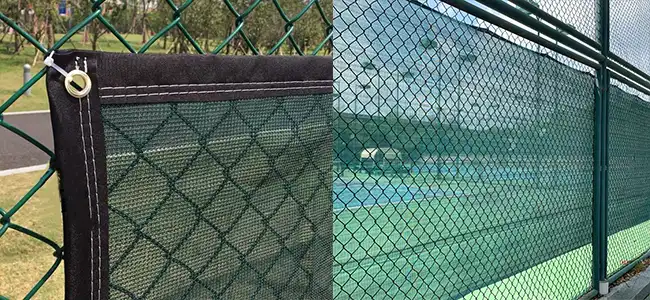
Core Skeleton: Chain Link Fence
It is made of high-strength steel wire woven into a diamond mesh. The unique diamond-shaped openings give it high elasticity and impact resistance, making it a very stable foundation for the overall structure.
Key Defence Layer: Windbreak Mesh
The material, weaving structure, and design of the windbreak mesh are all aimed at effectively changing wind direction and reducing wind speed.
Types and Main Materials of Windbreak Mesh
The function of windbreaking is achieved through several different methods, and the materials can be divided into two main categories.
Integrated Windbreak Mesh
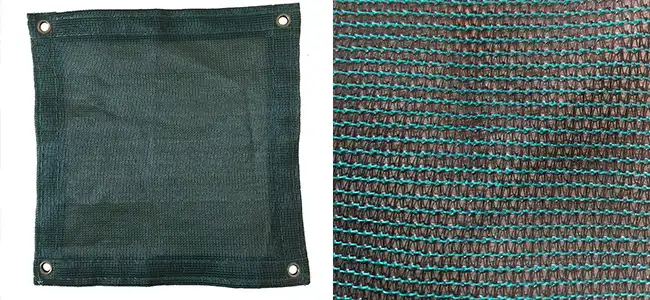
Synthetic fiber materials (such as nylon or polyester) are woven directly into the diamond mesh openings of the chain link fence to form an integrated windbreak surface. This type is easy to install and has a stable structure.
Attached Windbreak Mesh or Fabric
After the chain link fence is installed, a separate windbreak fabric or mesh made of high-strength synthetic fibers is attached to the fence. This method offers high flexibility, is easy to remove and replace, and is especially suitable for existing fences.
Inserted Windbreak Strips
This design is integrated during the manufacturing of the fence. Windbreak strips are inserted into the mesh openings, providing good wind protection while retaining ventilation. It is particularly suitable for professional sports court fencing.
Functions in Different Scenarios
Different types of windbreak mesh correspond to different applications, mainly reflected in the following aspects.
Wind Protection for Activities
This is the most core function. In places like tennis courts, it can effectively reduce wind speed so that matches are not disturbed by strong winds.
Dust Control for Environmental Protection
Sites such as coal yards, mining areas, and construction sites are also major users of this mesh. Thanks to its high density and low porosity design, it can effectively intercept flying dust particles, achieving dust suppression and meeting environmental requirements.
Multi Scenario Usability
Integrated and attached windbreak meshes are robust and durable, making them very popular in applications such as wind and slope protection, temporary fencing, and sound barriers along highways.
Combination and Installation Tips
The installation process for both structures generally follows similar steps.
Install the skeleton: First, fix the chain link fence posts and other structures according to design requirements.
Lay the mesh: Unfold the chain link fence and fix it to the posts.
Combine the windbreak layer: For integrated or attached windbreak meshes, securely attach the windbreak mesh surface to the chain link fence skeleton. It is important to note that, regardless of the method, the fasteners must not have sharp edges to avoid damaging the windbreak material.
Contact: +8615075482313
WhatsApp: +8615075482313
Email: yingruichina@gmail.com
Add: 100 meters west of Xiliangwa Village, Anping County, Hebei, China
We chat